Interesting Stories
Discover the untold stories of Northeast India with travel insights, cultural traditions, heritage sites, local experiences & inspiring journeys across the region

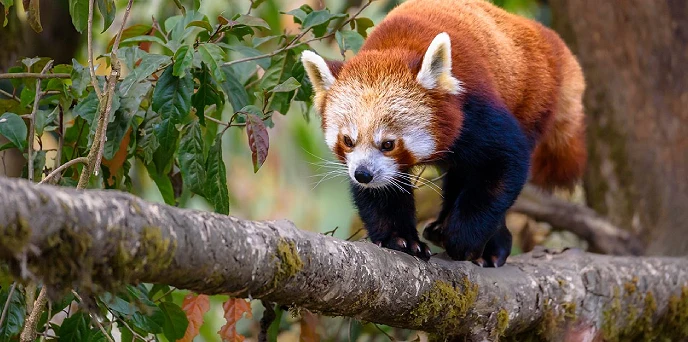
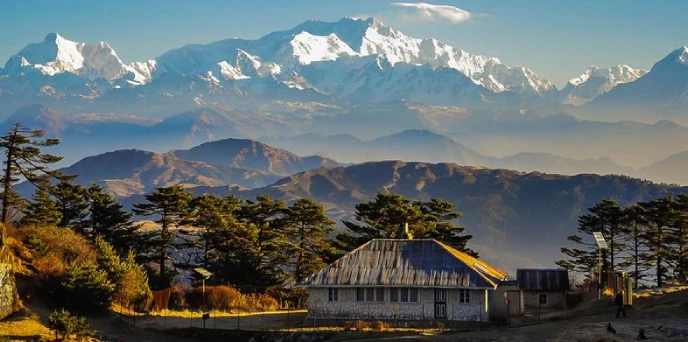
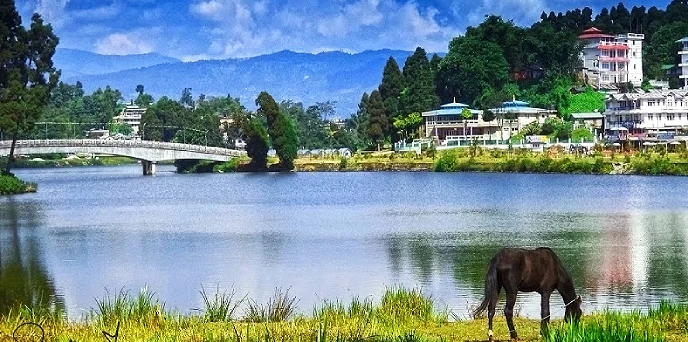
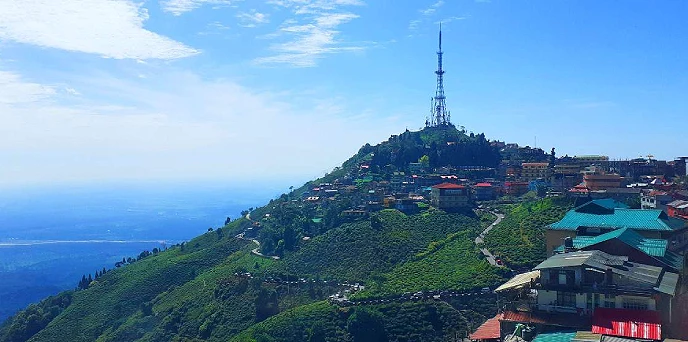
Darjeeling, widely known as the Queen of the Hills, is one of India’s most iconic hill destinations, admired for its cool climate, mist-covered landscapes, and majestic Himalayan backdrop. Located on a ridge in the eastern Himalayas, the town offers sweeping views of Mount Kanchenjunga, rolling tea gardens, and forested valleys. The name Darjeeling is believed to originate from the Tibetan words Dorjee, meaning a sacred thunderbolt, and Ling, meaning place, often described as the “land of the thunderbolt.”
Darjeeling gained prominence during the British era when it was developed as a summer retreat and health resort. Traces of this period remain visible in its colonial architecture, churches, heritage schools, and tree-lined roads. One of the town’s most cherished symbols is the Darjeeling Himalayan Railway, a UNESCO World Heritage site. The narrow-gauge toy train continues to charm visitors as it winds slowly through hills, villages, and tea estates.
Tea is central to Darjeeling’s identity. The surrounding slopes are home to world-renowned tea gardens such as Happy Valley, Makaibari Tea Estate, and Glenburn. Darjeeling Tea, often called the “Champagne of Teas,” is prized across the globe for its light color, floral aroma, and refined taste. Many estates welcome visitors, offering insight into tea cultivation along with stunning mountain views.
Darjeeling is equally rich in culture and spirituality, shaped by Nepali, Tibetan, Lepcha, and Bengali influences. A key spiritual landmark is the Mahakal Temple, also known as Mahakal Dham, located on Observatory Hill near Chowrasta. Dedicated to Lord Shiva, the temple is unique for sharing its space with Buddhist prayer flags, bells, and stupas, symbolizing harmony between Hindu and Buddhist traditions. The hilltop location also provides beautiful views of the surrounding mountains.
Another important attraction is the Lloyd Botanical Garden, one of the oldest botanical gardens in India. Established in the late 19th century, the garden is home to a rich collection of Himalayan flora, including rare orchids, alpine plants, ferns, and medicinal species. Spread over a peaceful hillside, it offers a quiet retreat for nature lovers and an opportunity to understand the region’s remarkable plant diversity.
Other notable places in Darjeeling include the Peace Pagoda, Himalayan Mountaineering Institute, Padmaja Naidu Himalayan Zoological Park, and the lively Chowrasta Mall Road, which forms the social heart of the town.
Darjeeling also serves as a gateway to several nearby destinations. Ghoom, located a short distance away, is known for one of India’s highest railway stations and the historic Yiga Choeling Monastery. Nearby Tiger Hill attracts visitors for its breathtaking sunrise views over Kanchenjunga. Kurseong, Kalimpong, and Mirik offer quieter hill experiences, scenic beauty, and cultural richness, while Sandakphu and Phalut draw trekkers with panoramic Himalayan vistas.
With its blend of natural beauty, spiritual harmony, colonial heritage, and access to surrounding hill destinations, Darjeeling remains the heart of Himalayan travel in eastern India.
We're here to help you choose the perfect destination, hotel, and itinerary.